
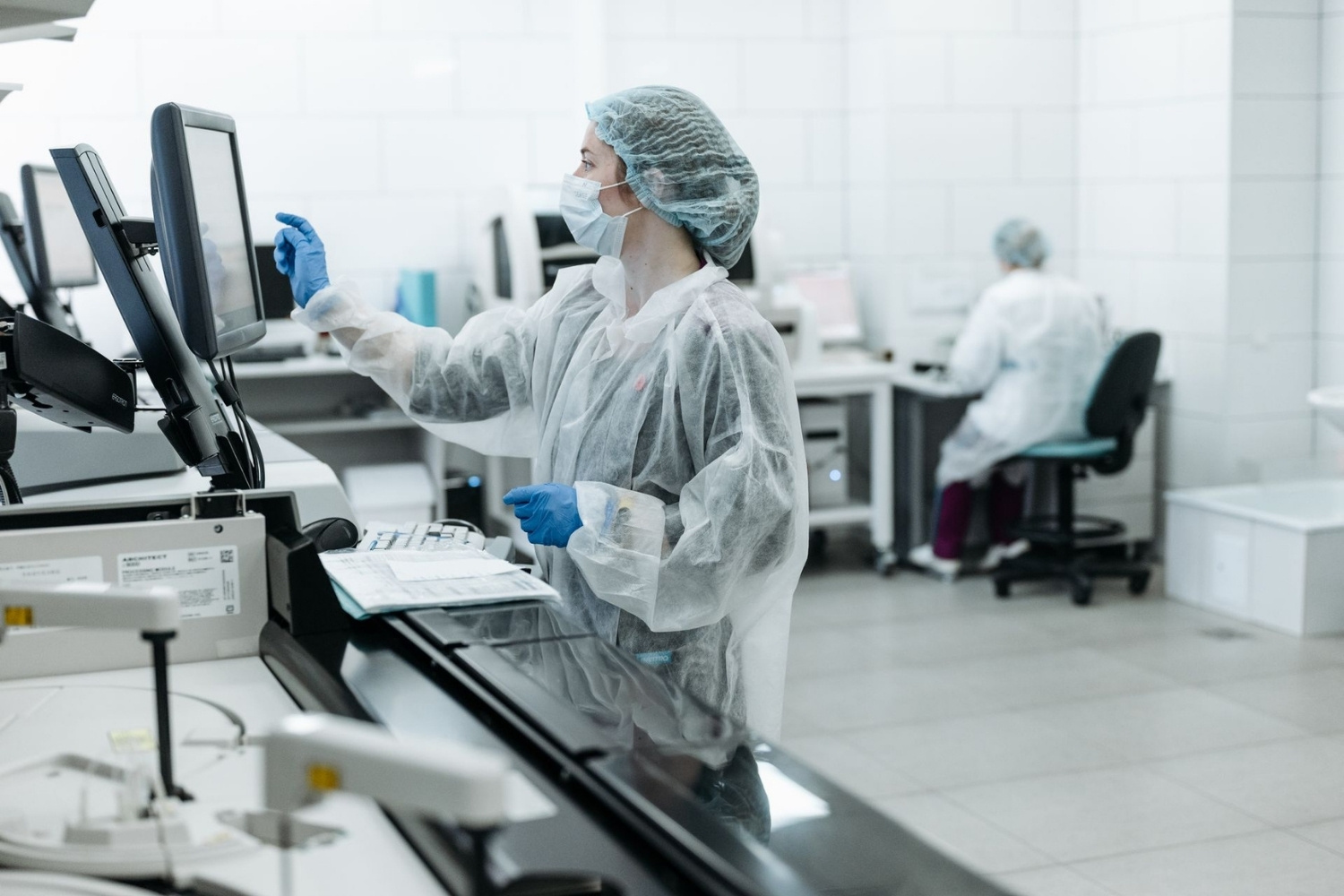
A certificate of analysis can say almost anything. A batch of medical grade hemp extracts that passed testing last quarter doesn’t tell you much about what’s in the product you’re holding today. The difference between a credible hemp product and a marketed one often lives in that gap, between what’s claimed and what’s actually documented, batch by batch.
Understanding how extraction works, what testing should cover, and where the standard breaks down is the only way to evaluate hemp products based on evidence rather than packaging.
What “Medical Grade” Actually Means
Medical grade hemp extracts are defined by their purity thresholds, consistent cannabinoid profiles, and the documentation trail required to back those claims. General consumer hemp products often carry minimal third-party verification. Medical grade production demands traceability from cultivation through extraction and independent lab confirmation at each stage [1].
The classification is a production standard, not a regulatory one. Extracts built to this level demonstrate consistent cannabinoid concentrations from batch to batch, test clean across pesticides, heavy metals, and residual solvents, and carry labeling verified by accredited external labs.
Companies that publish their lab reports openly and make them searchable by batch ID are operating at this standard. That kind of transparency is the floor, not a differentiator.
Cannabinoid Extraction Methods and Why They Matter
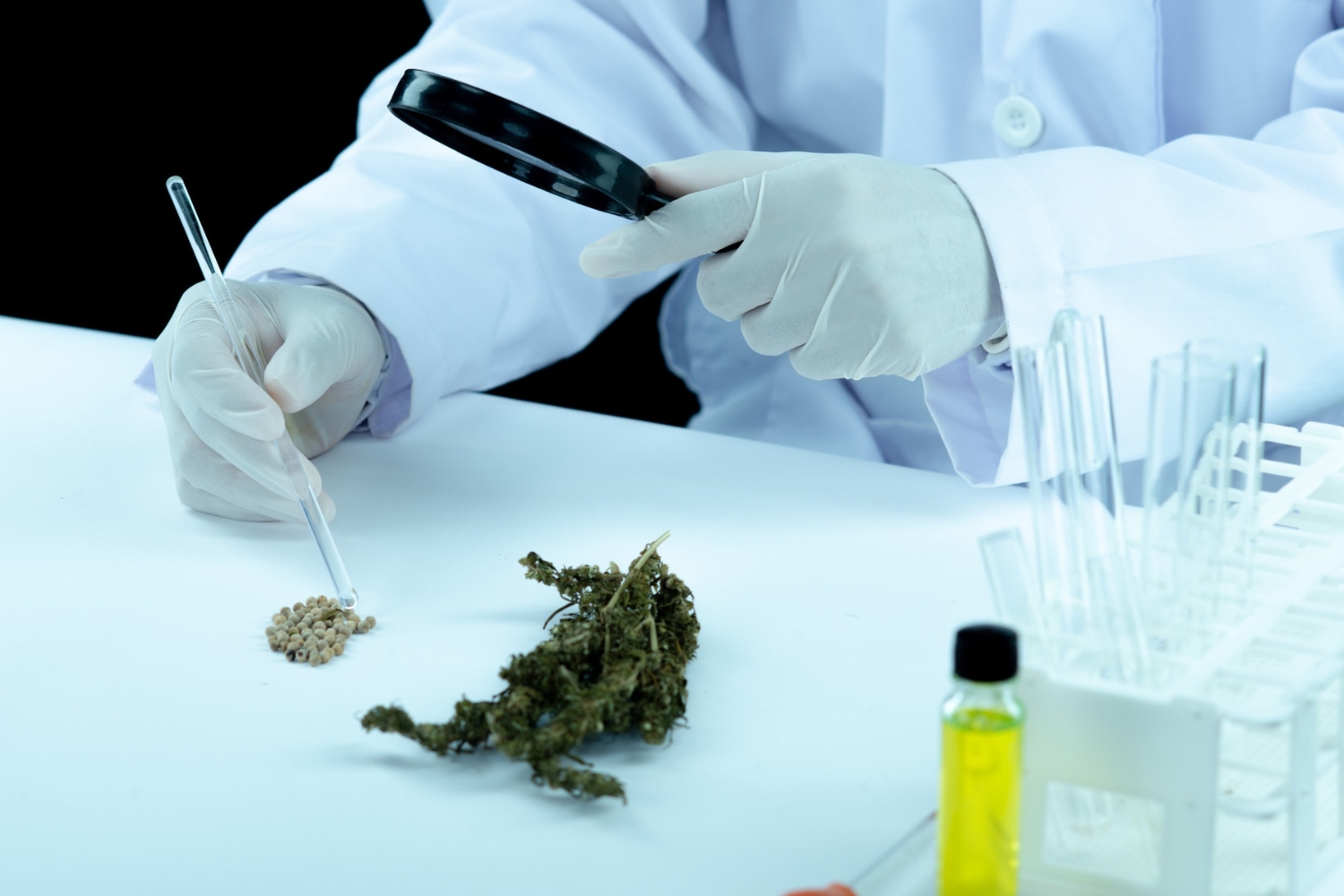
The extraction process shapes nearly everything about what ends up in the final product. Different cannabinoid extraction methods produce different purity levels, terpene retention rates, and residual compound profiles. Choosing the wrong method at this stage isn’t fixable downstream.
CO2 Supercritical Extraction
Supercritical CO2 extraction is the cleanest available method for producing medical grade hemp extracts. CO2 is pressurized into a supercritical state where it behaves as both a liquid and a gas, pulling cannabinoids and terpenes from plant material without leaving any solvent residue behind.
The result is a solvent-free concentrate with a preserved full-spectrum cannabinoid profile and no contamination risk from solvents [2]. For high-purity hemp compounds, this is the method everything else gets measured against.
Ethanol Extraction
Ethanol extraction works well at scale and costs less than CO2, but it requires thorough post-processing to remove residual solvent. Done carefully, the output is clean and high-potency. When producers cut corners on the post-processing, residual ethanol shows up in independent testing and the label claim falls apart.
What to Avoid
Hydrocarbon-based methods using butane or propane carry the highest contamination risk of any extraction approach. The concentrates they produce require significant additional refinement before reaching acceptable purity levels for premium hemp concentrates. Products made this way demand the most thorough third-party documentation, and are also the least likely to have it.
The Role of Lab Testing in High-Purity Hemp Compounds
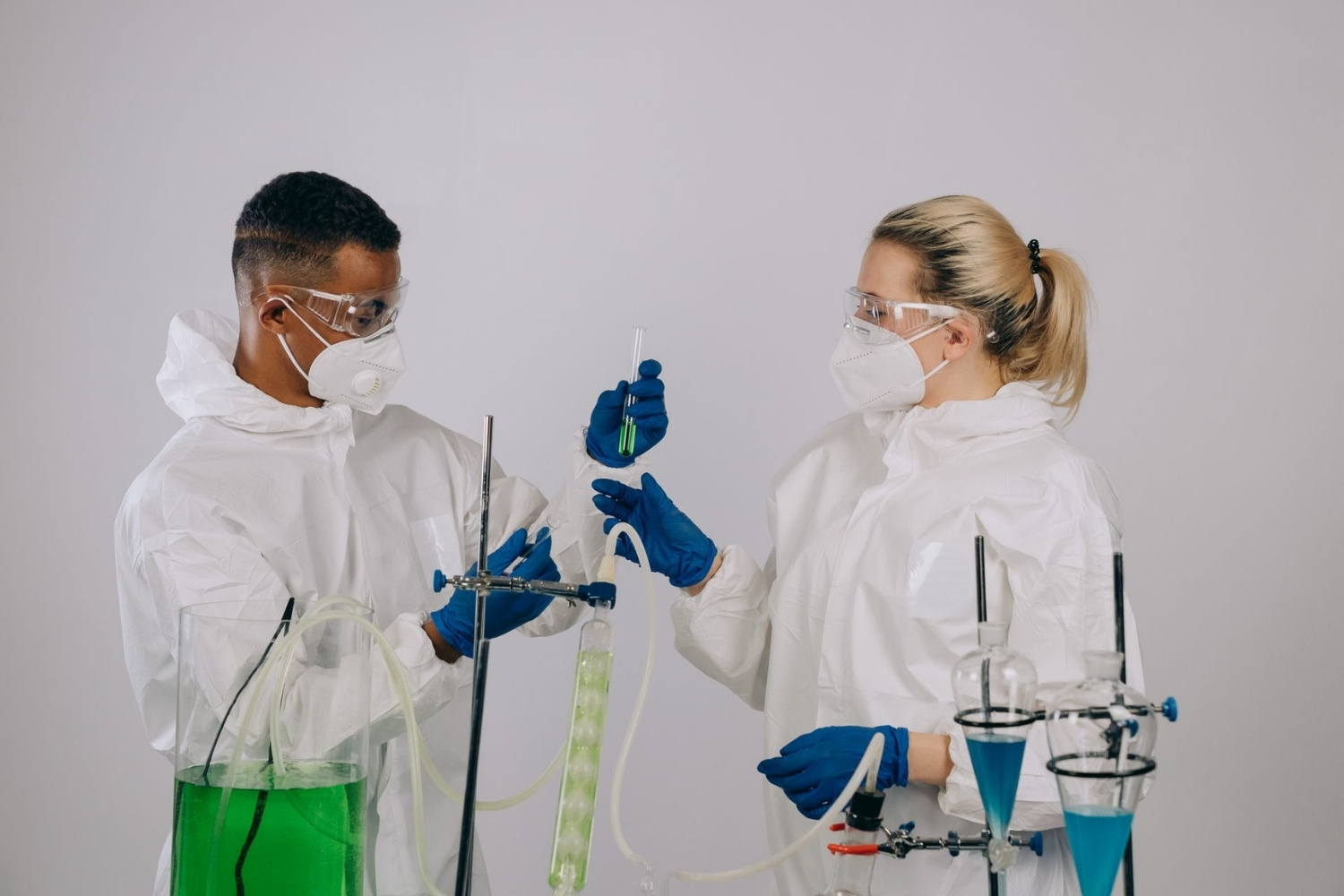
Lab testing is what makes any of the above verifiable. A complete certificate of analysis from an accredited independent laboratory covers cannabinoid potency, terpene profiles, and confirmed absence of contaminants including pesticides, heavy metals, mycotoxins, and residual solvents [3].
For lab-tested hemp extracts, the markers to check in any COA are:
· Cannabinoid profile accuracy: Does the measured CBD, THC-A, or other cannabinoid content actually match the label?
· Residual solvent levels: Are all detected solvents below established safety thresholds?
· Heavy metal screening: Lead, arsenic, mercury, and cadmium each require dedicated testing
· Microbial contamination: E. coli, salmonella, and mold at defined detection limits
Nevski Exotics (https://nevskiexotics.co.uk/products/) has independent verification built into the process for its THC-A extracts. Every batch is tested before it ships.
THC-A and the Case for Medical Grade Standards
THC-A is the non-psychoactive acidic precursor to THC. Its stability in extract form and distinct interaction with the endocannabinoid system have made it a focus of growing interest in the hemp extract space [4]. Produced as medical grade hemp extracts, THC-A concentrates can deliver high and consistent cannabinoid content across batches.
That consistency is where the gap between premium hemp concentrates and lower-grade products becomes visible. THC-A degrades under heat, poor storage conditions, and rough handling. Products that hold consistent potency and document their sourcing are the ones actually meeting the standard the label implies.
Nevski Exotics built its product range (https://nevskiexotics.co.uk/) around verified consistency, using solvent-free THC-A extracts derived through CO2 supercritical cooling with batch-specific lab documentation for each variety.
What Consumers Should Ask Before Buying
Before buying any hemp extract sold as medical grade, ask these questions directly:
· Is there a publicly available certificate of analysis from an independent, accredited lab?
· What extraction method was used, and is there documentation confirming solvent removal?
· Is the cannabinoid content third-party verified, or only self-reported by the manufacturer?
· Are the lab reports batch-specific, or one generic document applied across the entire product line?
Any brand operating at a genuine medical grade standard answers all four without hesitation. The mission at Nevski Exotics (https://nevskiexotics.co.uk/our-mission/) is built on exactly this level of accountability [5]. If a brand can’t answer these questions clearly, that’s the answer.
FAQs
What are medical grade hemp extracts?
Medical grade hemp extracts are hemp-derived products produced to high purity and consistency standards, with full independent laboratory verification of cannabinoid content, terpene profile, and contaminant absence. They are defined by rigorous documentation and traceability rather than any single regulatory classification.
What is the best cannabinoid extraction method for purity?
CO2 supercritical extraction is the cleanest and most precise cannabinoid extraction method. It produces solvent-free concentrates with accurate cannabinoid profiles and minimal contamination risk, making it the standard for producing medical grade hemp extracts.
How do I know if a hemp extract is truly lab-tested?
Look for a batch-specific certificate of analysis from a third-party accredited laboratory. It should cover cannabinoid potency, residual solvents, heavy metals, pesticides, and microbial content. A generic or undated document is not evidence of current product quality.
What are high-purity hemp compounds used for?
High-purity hemp compounds are used in wellness supplementation, research applications, and product formulation. Their consistent cannabinoid profiles make them suitable for any application requiring dosing accuracy and reproducible results across batches.
What is the difference between premium hemp concentrates and standard hemp products?
Premium hemp concentrates are produced using advanced extraction methods, verified by independent lab testing, and maintain consistent cannabinoid profiles across batches. Standard products often lack that verification level, carry less precise labeling, and may contain residual solvents or contaminants not disclosed on the label.
References
[1] European Industrial Hemp Association – Standards for cannabinoid extract quality. eiha.org
[2] National Center for Biotechnology Information – “Supercritical fluid extraction of cannabinoids.” ncbi.nlm.nih.gov
[3] American Herbal Products Association – Certificate of Analysis standards. ahpa.org
[4] Project CBD – “THC-A: The raw cannabinoid explained.” projectcbd.org
[5] UK Food Standards Agency – Hemp and CBD regulatory guidance. food.gov.uk