

The chemistry of THC-A Extracts is well-documented, but many buyers overlook how storage affects extract quality over time. Poor storage degrades potency, alters cannabinoid profiles, and reduces the shelf life significantly. This article walks through the science behind THC-A stability and practical storage practices to preserve quality. Important: This article is general information about products legally available in the UK and does not constitute medical advice. Cannabis-derived products are regulated in the UK. The MHRA and FSA maintain the relevant regulatory framework. Verify current UK law before purchasing. Products are intended for adults 18 and over.
The Chemistry of THC-A
THC-A (tetrahydrocannabinolic acid) is the acid form of THC produced by cannabis plants. In raw form, THC-A is non-psychoactive. It converts to THC through decarboxylation, a chemical reaction that removes a carboxyl group and releases CO2. This conversion happens through heat exposure — deliberate (during vaping or combustion) or accidental (during improper storage).
The Three Main Degradation Factors
Heat
Heat drives decarboxylation. THC-A in extracts stored at room temperature slowly converts to THC. Elevated temperatures accelerate this dramatically. Studies published on PubMed document the temperature-dependent kinetics of cannabinoid decarboxylation.
Light (Especially UV)
Light exposure, particularly UV wavelengths, degrades cannabinoids. UV breaks chemical bonds and produces oxidation reactions. Even indirect sunlight through windows accelerates degradation.
Oxygen
Oxygen exposure oxidises cannabinoids into different compounds. THC-A oxidises to CBN over time — CBN has different properties than either THC-A or THC. This is why old cannabis products often show elevated CBN levels.
The Storage Consequences
Potency Loss
THC-A content decreases over time under poor storage. Products labelled at 90% THC-A may test at 70% after months of poor storage. The stated potency loses accuracy.
Profile Shift
As THC-A decarboxylates to THC and further degrades to CBN, the extract profile shifts. The product changes character even without user action.
Reduced Shelf Life
Well-stored quality extracts last 12-18 months. Poorly-stored extracts may degrade significantly within 3-6 months.
Flavour Degradation
Terpenes are more volatile than cannabinoids and degrade faster with poor storage. Flavour and aroma diminish as terpenes evaporate.
Proper Storage Principles

Cool Temperatures
Store below room temperature when possible. Refrigeration extends shelf life significantly. Freezing further extends storage but requires careful handling to prevent condensation on removal.
Dark Environment
Store in opaque containers. Keep in dark cabinets or drawers. Avoid light exposure during storage.
Airtight Sealing
Original packaging is usually well-designed for storage. Aftermarket containers should provide airtight seals. Vacuum-sealed containers extend life further.
Stable Environment
Avoid temperature fluctuations. Repeated warming and cooling accelerates degradation more than stable warm temperatures.
Away from Moisture
Moisture supports microbial growth and can affect extract consistency. Keep in dry environments.
Practical Storage Solutions
Original Packaging
Reputable manufacturers use packaging designed for stability. Original packaging usually offers reasonable protection when stored in cool, dark places.
Airtight Glass Containers
Small glass containers with tight-fitting lids for aftermarket storage. UV-blocking amber or opaque glass preferred.
Refrigeration
Refrigerators provide cool, dark, stable environments. Ideal for extended storage. Allow products to return to room temperature before opening to prevent condensation.
Vacuum Sealing
Vacuum sealing removes oxygen. Excellent for long-term storage of larger quantities.
The Refrigeration Question
Refrigeration effectively extends THC-A Extracts shelf life. Product should be transferred to airtight containers before refrigeration. Allow products to warm to room temperature (30-60 minutes) before opening to prevent moisture condensation affecting quality.
Freezing Considerations
Freezing further extends storage but adds complications. Products must be completely protected from moisture. Slow warming to room temperature required before use. Freezer burn possible with poor sealing. Best for long-term bulk storage rather than regular-use products.
Signs of Degraded Product

Colour Changes
Fresh THC-A Extracts typically have consistent colours from producer specifications. Darkening or discolouration suggests oxidation and degradation.
Consistency Changes
Textural changes (crystallisation shifts, softening or hardening beyond original state) can indicate degradation.
Terpene Loss
Reduced aroma suggests terpene degradation. Fresh products typically have distinctive scent profiles.
Reduced Potency
Users report reduced effects from products they used successfully in the past. Suggests degradation.
Buying Fresh Product
Product freshness at purchase matters as much as post-purchase storage. Buy from sources with rapid inventory turnover. Older stock inventory often shows degradation even at purchase. Reputable UK retailers publish batch dates and testing information.
How Batch Age Affects Quality
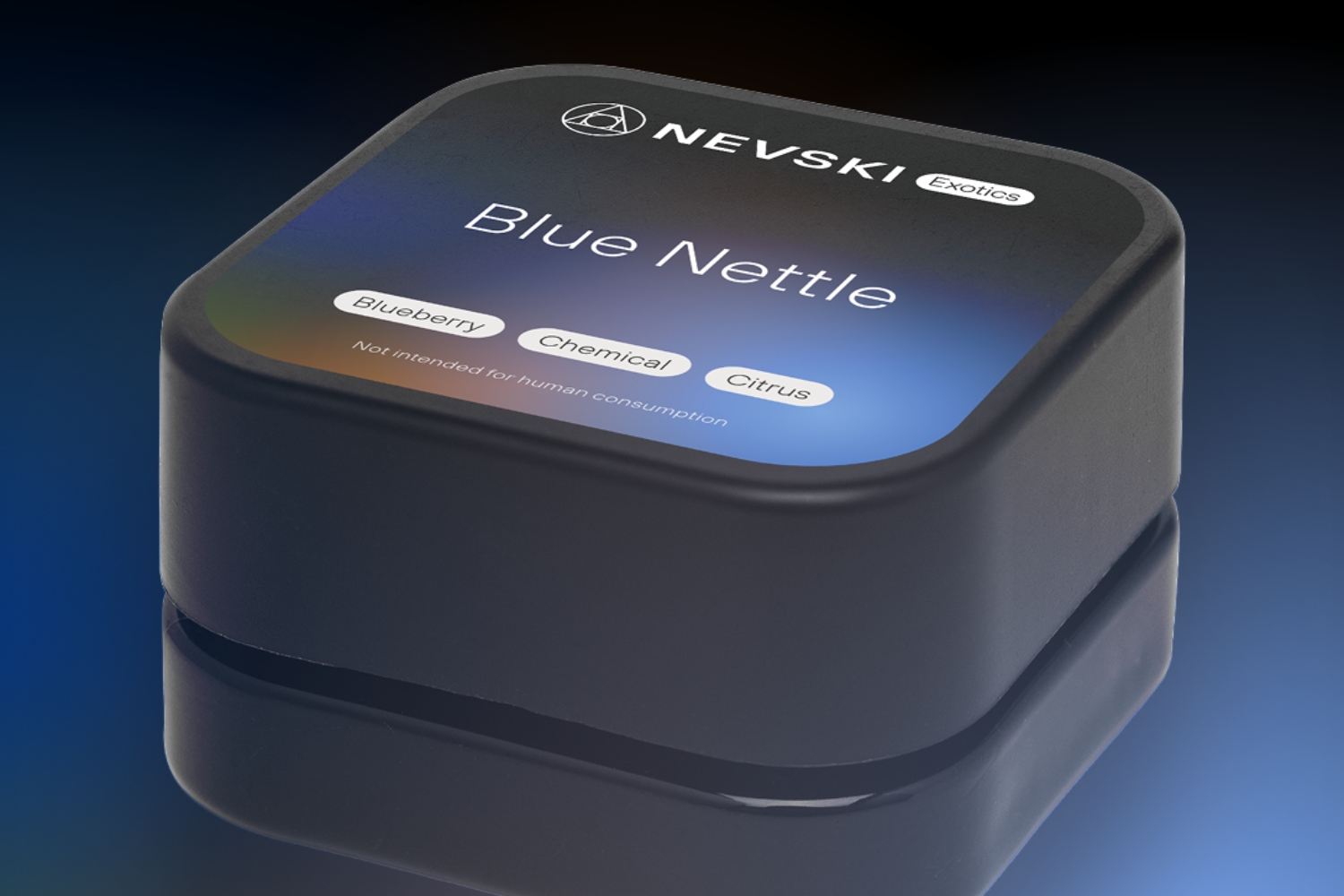
Products tested at the time of production show peak cannabinoid profiles. As batches age (even under proper storage), profiles gradually shift. Recent batch dates indicate fresher products. Nevski Exotics publishes batch information openly.
Shelf Life Comparison by Product Type
Distillates
Long shelf life due to concentration and refined form. 12-24 months typical with proper storage.
Live Resin
Shorter shelf life due to preserved terpenes. 6-12 months typical. Refrigeration is especially valuable.
Rosin
Similar to live resin. 6-12 months typical. Terpene preservation depends on storage.
Isolates
Long shelf life due to purity. 18-24 months typical with proper storage.
Storage for Business vs Personal Use
Personal-use quantities benefit from simple refrigerated storage. Business quantities require more elaborate cold storage, humidity control, and inventory rotation. UK retailers should follow appropriate storage guidance from the FSA.
Common Storage Mistakes
Room-Temperature Countertop Storage
Convenient but accelerates degradation. Even in dark places, room temperature shortens shelf life significantly.
Bathroom Storage
Temperature and humidity fluctuations from shower use damage products. Never store cannabinoid products in bathrooms.
Car Storage
Extreme temperature fluctuations. Direct sunlight through car windows. Rapid degradation.
Refrigerator Door Storage
Fridge door temperature fluctuates more than the main compartment. Store in the main compartment for stability.
Repeated Opening
Every container opening introduces oxygen and shifts temperature. Use smaller portions from larger sealed containers for long-term storage.
The Cost-Benefit of Proper Storage
Small investment in proper storage (airtight containers, refrigerator space) extends product life significantly. For regular users, proper storage pays for itself through perceived product value.
Working with Reputable UK Sources

Nevski Exotics provides THC-A Extracts with published batch dates, lab reports, and storage guidance. Verify freshness at purchase and implement proper post-purchase storage.
FAQs
How long do THC-A Extracts last?
6-24 months depending on product type and storage. Proper storage (cool, dark, airtight) extends significantly.
Should I refrigerate THC-A products?
Refrigeration extends shelf life. Allow warming to room temperature before opening to prevent condensation.
What are signs of degradation?
Colour changes, texture changes, reduced aroma, reduced potency. Any noticeable change from the original product state.
Can I freeze THC-A products?
Yes, with proper sealing and slow warming before use. Best for long-term bulk storage.
Where can I see Nevski Exotics THC-A information?
Visit our website for products and documentation.