
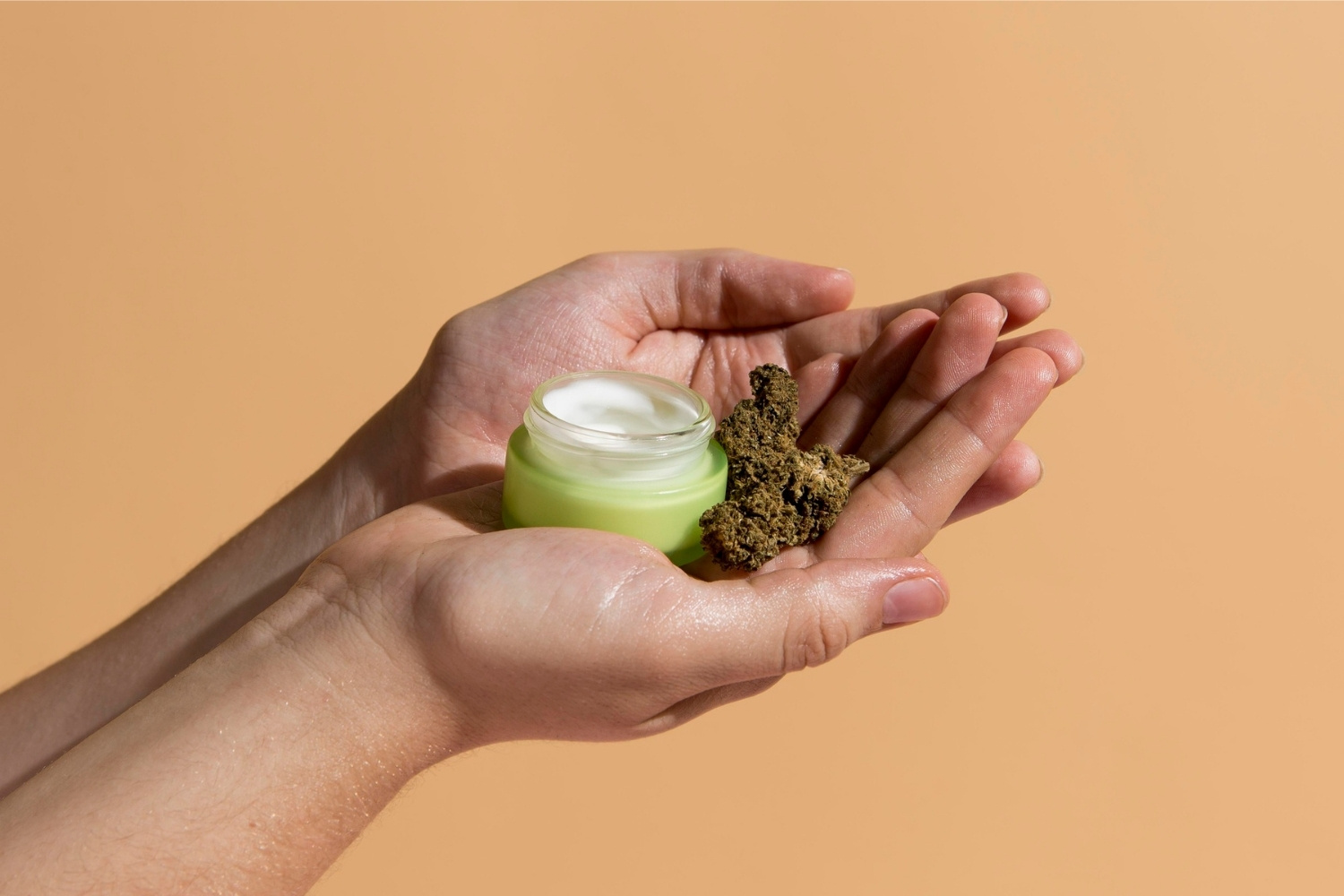
THC-A extracts are sitting at the centre of a real conversation in UK cannabis retail right now. The question most buyers have is a reasonable one: if THC is controlled, why are THC-A products being sold openly and legally? The answer comes down to chemistry, and once you understand the difference between these two compounds, the legal framework makes a lot more sense.
What Actually Separates THC-A from THC
THC-A stands for tetrahydrocannabinolic acid. It is the form in which THC exists inside a living cannabis plant, before any heat is applied. The cannabis plant does not produce delta-9 THC directly. It produces THC-A, which only converts to active delta-9 THC when it goes through a process called decarboxylation.
Decarboxylation is heat doing chemistry. When cannabis is smoked, vaped, or cooked, the heat removes a carboxyl group from the THC-A molecule, turning it into active delta-9 THC. Without that step, THC-A stays as THC-A. And the two behave very differently in the body.
THC-A does not bind effectively to CB1 receptors in the brain [1]. CB1 receptor binding is what produces the psychoactive effects associated with cannabis. So in its raw, unheated state, THC-A does not produce intoxication. Research into cannabinoid pharmacology has pointed toward possible anti-inflammatory and neuroprotective properties in THC-A, though the science is still at an early stage [2].
How UK Law Treats THC-A Extracts
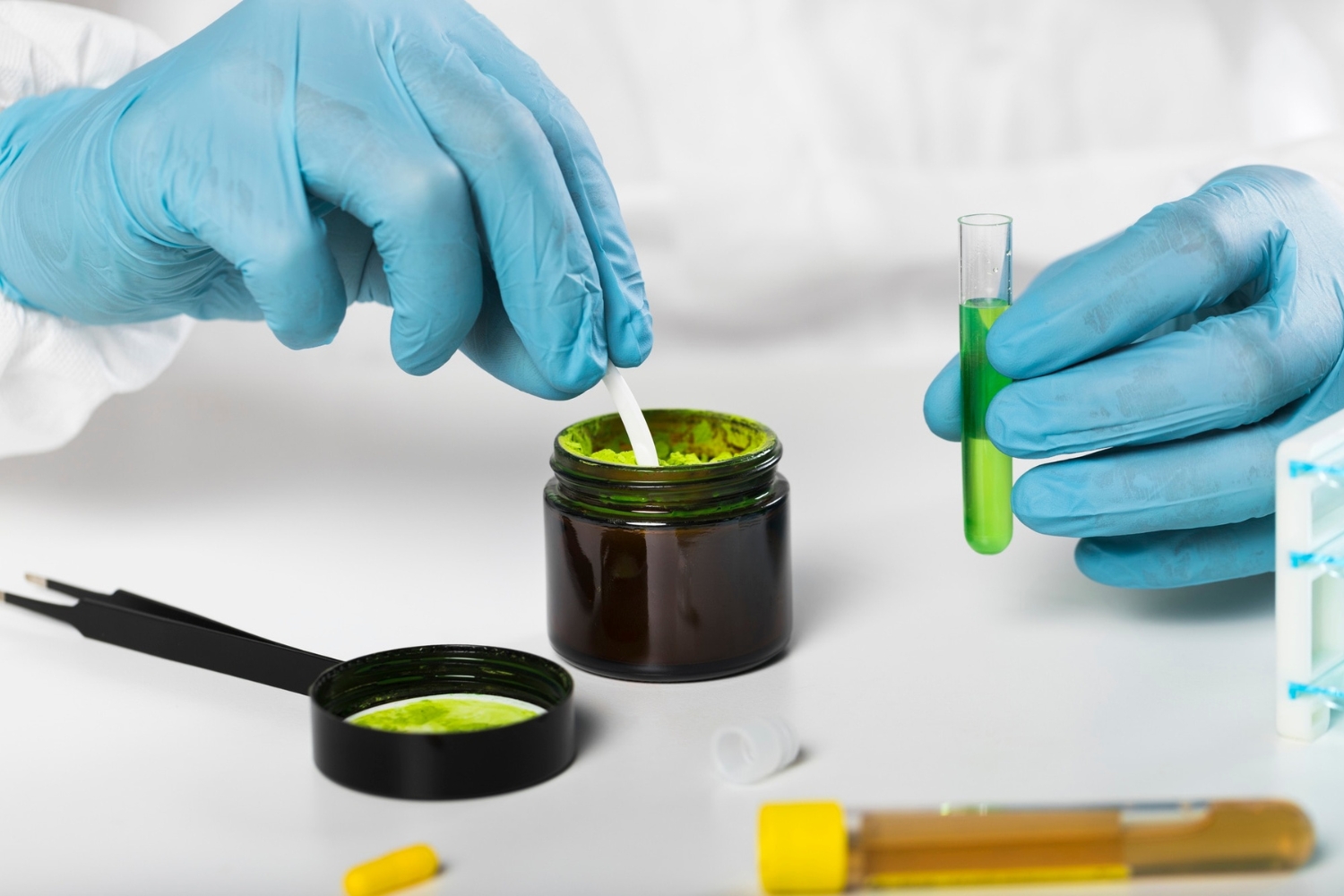
UK cannabis law is built around the Misuse of Drugs Act 1971. The compound scheduled as a Class B controlled substance is delta-9 tetrahydrocannabinol. THC-A is not listed in its own right as a controlled substance.
This is where legal cannabis extracts UK suppliers have found a workable position. If an extract contains THC-A rather than delta-9 THC, it does not fall under the provisions of the Misuse of Drugs Act, provided the delta-9 content remains within legally relevant thresholds. The product is chemically distinct from the controlled compound.
The same logic has been applied in other jurisdictions. In the United States, hemp-derived THC-A products have been sold under the 2018 Farm Bill on the basis that the tested delta-9 THC content falls below 0.3%, even when total THC-A content is significantly higher. UK law has not explicitly addressed THC-A as a separate compound, which leaves the space legally open for now [3]. That said, buyers who want to stay ahead of any regulatory change should monitor ACMD publications and Home Office drug policy updates.
What Happens When THC-A Is Heated
This is worth understanding before buying any THC-A extract. Once heat is applied, THC-A converts to delta-9 THC. Vaping, dabbing, or any method involving temperature will trigger decarboxylation. The conversion is not 100% efficient, and the rate depends on temperature and duration, but it does happen.
The product itself, at the point of sale, contains THC-A. Legally, that distinction matters. But buyers should understand what they are working with and how the chemistry changes during use. For the THC-A vs THC legal UK conversation, this is the most practical nuance to hold onto.
How to Evaluate a THC-A Extracts UK Product
Quality varies considerably in this market. Some products are well-documented with third-party lab testing. Others make compliance claims without any accessible Certificate of Analysis. Before buying, a few things should be clear:
• The COA should come from an accredited independent laboratory, not an in-house test.
• The report should list THC-A percentage and delta-9 THC content separately.
• Delta-9 THC should sit at or below legally relevant thresholds.
• The COA should be batch-specific, not a generic document covering the product line broadly.
Sourcing also matters. California-grown cannabis, produced under that state’s regulated market standards, carries a higher baseline of quality assurance than material from less regulated supply chains.
Where Nevski Exotics Fits In
Nevski Exotics has built its product range specifically around meeting UK legal standards while maintaining the extract quality typically associated with California’s more carefully regulated cannabis market. Their THC-A extracts are organically certified, California-sourced, and supported by batch-specific lab reports published openly on their lab reports page. For anyone buying legal cannabis extracts UK for the first time, that level of documentation transparency is the baseline worth expecting from any reputable supplier.
Their extract range covers multiple product profiles and terpene expressions, all available through the shop. For buyers who want to understand the brand’s approach before purchasing, the Our Mission page gives a clear view of how they’ve positioned themselves within the UK legal framework. If you want to stay current on any regulatory developments affecting this category, the Stay Informed section tracks relevant updates for UK cannabis buyers.
Frequently Asked Questions
Is THC-A the same as THC?
No. THC-A is the acid precursor to delta-9 THC. It exists in the cannabis plant before heat triggers decarboxylation and converts it into active THC. In its raw, unheated state, THC-A does not produce the same psychoactive effects as delta-9 THC.
Are THC-A extracts legal in the UK?
THC-A is not listed as a controlled substance under the Misuse of Drugs Act 1971. Extracts that contain THC-A as the primary cannabinoid, with delta-9 THC below legally relevant thresholds, are currently sold legally in the UK by suppliers who can document their compliance.
Does THC-A convert to THC when heated?
Yes. When THC-A is heated through vaping, smoking, or cooking, it undergoes decarboxylation and converts to delta-9 THC. The rate and completeness of conversion depend on the temperature applied and the duration of heat exposure.
What makes a THC-A extract high quality?
High-quality THC-A extracts come with a batch-specific Certificate of Analysis from an independent accredited lab, clear sourcing information, and a cannabinoid profile that shows THC-A and delta-9 THC percentages separately. Organic cultivation and California-grade extraction standards are meaningful indicators of premium product.
How do I know if a THC-A extract is genuinely legal in the UK?
Ask for, or look for, a COA from an accredited third-party lab confirming that delta-9 THC content sits within legal limits. Reputable suppliers publish this documentation openly. Any supplier who cannot or will not provide it is asking you to take a compliance claim on faith, which is not a reasonable basis for purchasing in this category.
References
[1] https://www.ncbi.nlm.nih.gov/pmc/articles/PMC6395570/
[2] https://www.ncbi.nlm.nih.gov/pmc/articles/PMC7059852/
[3] https://www.legislation.gov.uk/ukpga/1971/38/contents