

The THC-A vs THC Legal UK question comes up constantly in cannabinoid product discussions. THC-A and THC are chemically related but not identical, and the difference matters both for effects and for UK legal treatment. This guide explains decarboxylation (the chemical process converting THC-A to THC), why the distinction matters, and what current UK law says. Verify current MHRA and Home Office guidance before purchase. Products cannot be sold to under-18s. This is not legal advice, consult qualified UK legal counsel for specific situations.

What THC-A Is
THC-A (tetrahydrocannabinolic acid) is the raw cannabinoid found in the living cannabis plant. It’s the acidic precursor to THC. Chemically, THC-A has an additional carboxyl group (COOH) attached to the THC molecule.
What THC Is
THC (tetrahydrocannabinol) is the psychoactive compound most associated with cannabis effects. It forms when THC-A loses its carboxyl group through heat or time — the process called decarboxylation.
What Decarboxylation Does
Decarboxylation removes the carboxyl group (COOH) from THC-A, producing THC and releasing CO2. The process happens naturally over time (slowly, at ambient conditions) or rapidly with heat. This chemical change matters both for effects and legal status.
How Decarboxylation Happens
Heat
Primary method. 105-115°C (220-240°F) for 30-45 minutes commonly cited. Higher temperatures faster but risk degradation. Smoking or vaporizing cannabis triggers instant decarboxylation.
Time
Ambient decarboxylation happens slowly. Dried cannabis over months at room temperature partially decarboxylates. Not efficient but continuous.
Light
UV light accelerates decarboxylation. Cannabis exposed to sunlight degrades faster. Storage matters.
Effect Differences
THC-A
Non-intoxicating in raw form. Doesn’t bind to CB1 receptors effectively. Some research suggests anti-inflammatory and neuroprotective properties, though evidence is early-stage.
THC
Psychoactive. Binds CB1 receptors. Effects include altered perception, cognition, and mood. Regulated substance in the UK and most jurisdictions.
THC-A vs THC Legal UK Position
Controlled Drugs
In the UK, THC is a controlled Class B drug under the Misuse of Drugs Act 1971. The Home Office and Medicines and Healthcare products Regulatory Agency (MHRA) enforce controls. Cannabis products with more than 1mg total controlled cannabinoids per container may face regulatory challenges.
THC-A Legal Status
THC-A’s legal status has been discussed in UK legal circles. It is closely related to controlled THC. Products containing significant THC-A may be treated as controlled by law enforcement. This is an area of legal uncertainty; consult qualified UK legal counsel.
CBD Products
CBD products with negligible THC content (typically under 0.2% or below 1mg per container) are widely available in the UK. FSA is regulated as novel foods.
Hemp Products
Industrial hemp fibers, seeds, and derivatives with minimal cannabinoid content are generally legal. Products intended for psychoactive effects have different legal treatment.
Why the THC-A vs THC Legal UK Distinction Matters Practically
Product Testing
Products marketed with THC-A content may be tested by authorities for THC after heating. If heating converts significant THC-A to THC, the product may be treated as containing controlled THC.
Consumer Use
Consumers smoking or heating THC-A products effectively convert to THC. This may result in legal consequences regardless of pre-heating labeling.
Storage and Handling
Time and temperature affect the ratio. Products tested at manufacture may have different profiles at consumption.
Labeling Accuracy
Some products may label THC-A content optimistically. Third-party testing and certificates of analysis matter.
Testing and Analysis
HPLC Testing
High-Performance Liquid Chromatography (HPLC) tests actual THC-A and THC separately without heating. Accurate raw product profile.
GC Testing
Gas Chromatography (GC) heats samples, converting THC-A to THC. Reports total THC potential. Legal enforcement may use this.
COA Verification
Certificate of Analysis from independent lab. Verify testing method (HPLC vs GC). Understand what numbers represent.
Batch Consistency
Testing per batch matters. Consistency between batches indicates quality manufacturing.
Historical UK Legal Cases
UK courts have addressed cannabinoid cases including THC-A questions. Outcomes vary by specific facts. Consult qualified UK criminal or administrative lawyers for specific legal situations. Do not rely on general guidance for legal decisions.
Consumer Considerations
Age Verification
All cannabinoid products sold to verified 18+ only in the UK. Standard retail practice.
Product Selection
Focus on products with clear legal compliance documentation. Understand what you’re purchasing and consuming.
Health Considerations
Cannabinoid products may interact with medications. Consult healthcare providers especially for pregnancy, medical conditions, or medication use.
Driving and Machinery
Products affecting mental state may impair driving. UK zero-tolerance for driving under drug influence.
Nevski Exotics Position
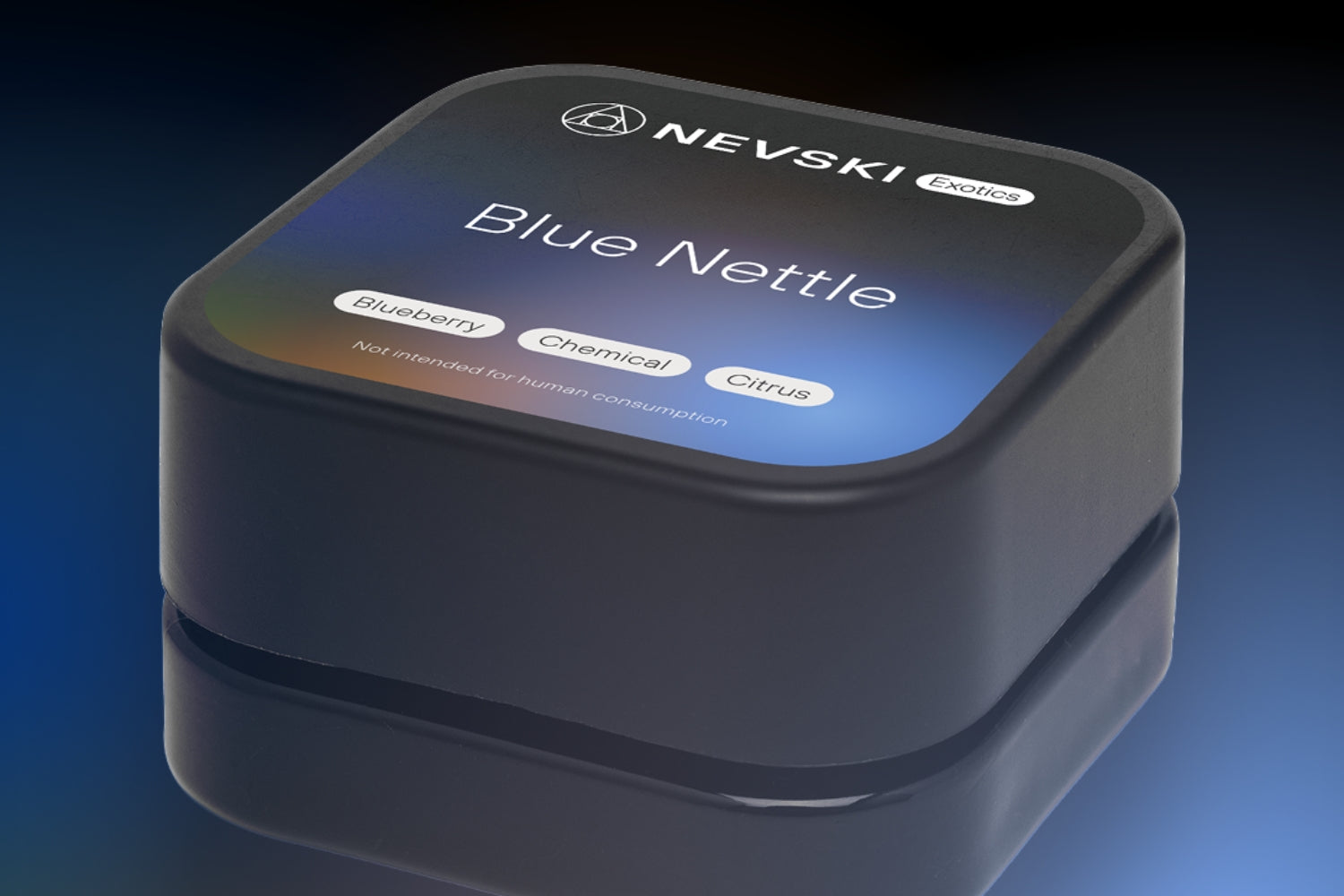
Nevski Exotics sources UK compliant products with appropriate testing and documentation. See range at our website and contact for any details. All products sold to verified 18+ customers. Verify current UK law and MHRA/FSA guidance. Nevski does not provide legal advice; consult qualified UK legal counsel for questions about the THC-A vs THC Legal UK framework.
Practical Advice
Verify Legal Status
Products’ legal status may change. Verify current MHRA, FSA, and Home Office guidance before purchase.
Understand Product Type
Different products have different legal treatment. Novel food, medicinal product, or general consumer product classifications differ significantly.
Trust Third-Party Testing
Independent lab COAs matter more than manufacturer claims. Verify test methods and results.
Consult Professional Advice
Legal questions: qualified UK legal counsel. Health questions: qualified healthcare provider. Not marketing materials.
The Bottom Line on THC-A vs THC Legal UK
THC-A converts to THC through decarboxylation (heat, time, or use). UK law controls THC. Products containing significant THC-A face regulatory uncertainty. Consumer decisions require understanding both chemistry and current UK legal position. Verify current guidance before purchase.
FAQs
What is decarboxylation in simple terms?
Chemical process removing carboxyl group from THC-A, converting it to THC. Happens through heat, time, or light exposure.
Is THC-A legal in the UK?
Legal status is uncertain and context-dependent. Products containing significant THC-A may face regulatory challenges. Consult qualified UK legal counsel.
Does smoking THC-A produce THC effects?
Yes. Smoking or vaporizing THC-A instantly decarboxylates it to THC, producing psychoactive effects.
How do I verify product legal status?
Check current MHRA and FSA guidance. Verify manufacturer compliance documentation. Consult qualified UK legal counsel for specific questions.
Where do I get Nevski products?
Visit our website (18+ only) after verifying current UK regulations for your intended purchase.