
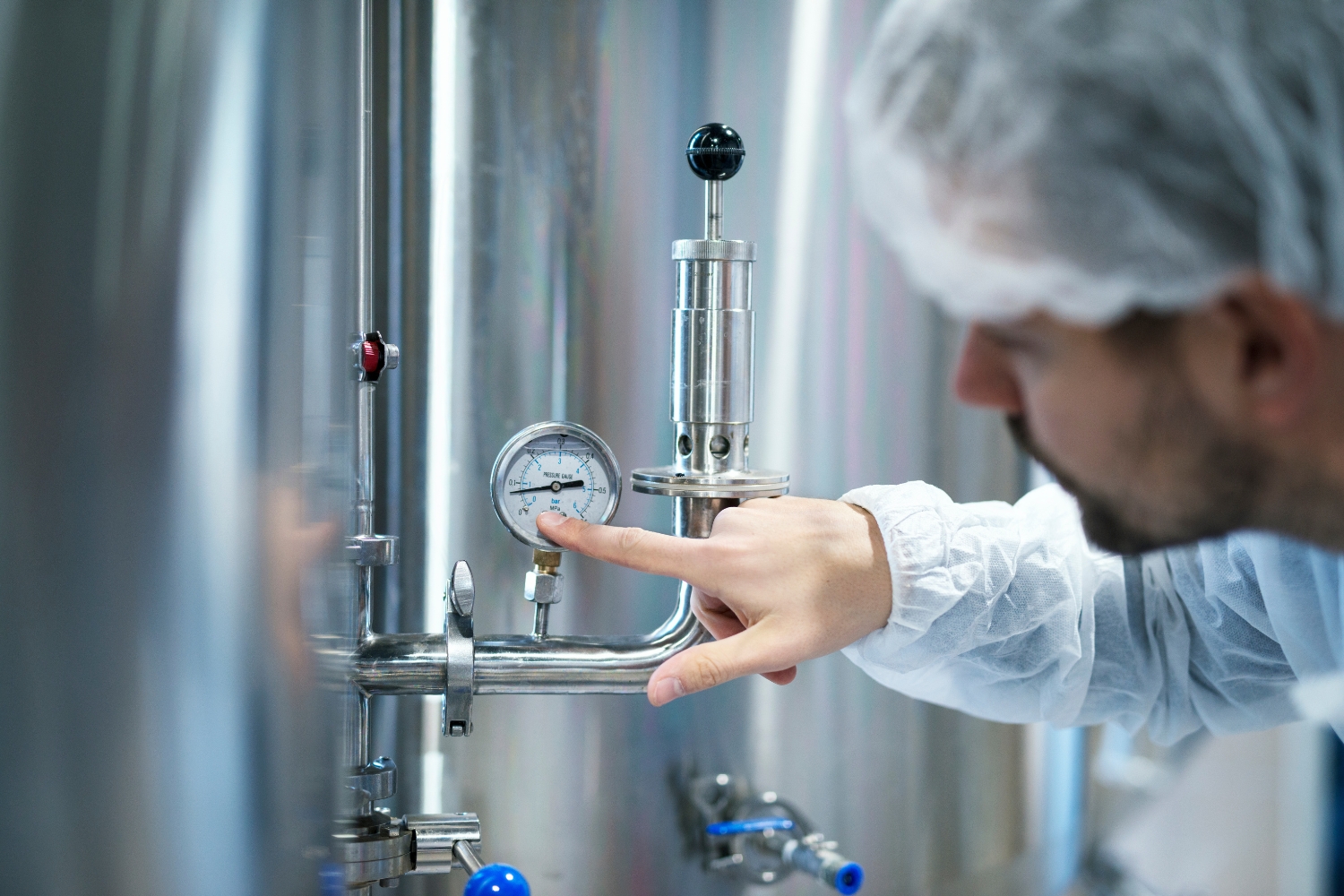
The extraction method used to produce cannabinoid extracts significantly affects purity, safety, and quality. Supercritical CO2 extraction is widely considered the cleanest standard method, but solvent extraction (ethanol, hydrocarbon) has different trade-offs. This article compares the two approaches so UK buyers can understand what affects the products they buy. Important: This article is general information about products legally available in the UK and does not constitute medical advice. Cannabis-derived products are regulated in the UK. The Medicines and Healthcare products Regulatory Agency and the Food Standards Agency maintain the relevant regulatory framework. Verify current UK law before purchasing. Products are intended for adults 18 and over.

What CO2 Supercritical Extraction Actually Is
In the CO2 method, carbon dioxide is subjected to specific pressure and temperature conditions where it behaves as both a liquid and a gas (supercritical state). In this state, CO2 acts as a highly efficient solvent for cannabinoids while leaving unwanted plant material behind. When the pressure returns to normal, CO2 returns to gas form and evaporates cleanly, leaving pure extract.
Advantages of CO2 Supercritical Extraction
No Residual Solvents
CO2 evaporates completely, leaving zero solvent residue. This is impossible to fully achieve with hydrocarbon or ethanol extraction.
Selective Extraction
By adjusting temperature and pressure, operators can selectively extract specific compounds. This produces cleaner extracts with more consistent cannabinoid profiles.
Non-Toxic Solvent
CO2 is naturally occurring and non-toxic. No environmental or health concerns from the extraction solvent itself.
Preserves Terpenes
At appropriate temperatures, CO2 extraction preserves volatile terpenes better than high-heat solvent methods.
Disadvantages of CO2 Extraction
Capital Cost
CO2 extraction equipment is expensive (£50,000-£500,000+ for commercial systems). This limits the number of producers using the method.
Process Complexity
Precise pressure and temperature control requires skilled operators. Small variations affect extract quality.
Slower Throughput
Compared to hydrocarbon extraction, CO2 extraction is slower and produces smaller batches. This affects the final product cost.
Solvent Extraction Methods
Ethanol Extraction
Uses food-grade ethanol as the solvent. Effective at extracting cannabinoids and water-soluble compounds. Requires thorough purging to remove residual ethanol from the final product. Widely used commercially due to lower equipment costs.
Hydrocarbon Extraction (Butane, Propane)
Uses light hydrocarbons as solvents. Efficient extraction of cannabinoids and terpenes. Requires very careful residual solvent testing due to toxicity concerns. Popular cannabis concentrates in some markets.
Hydrocarbon Considerations
Even small amounts of residual butane or propane in products present health concerns. Quality-controlled hydrocarbon extraction can produce clean products; poor process control results in unsafe products. Third-party testing is essential.
Purity Comparison

In head-to-head purity testing: CO2 Supercritical Extraction consistently produces extracts with zero detectable solvent residuals. Well-executed ethanol extraction produces extracts with very low but detectable ethanol residuals (below regulatory limits). Hydrocarbon extraction varies significantly by producer; well-executed can match ethanol, poorly executed can present real health concerns.
Solventless Extraction
Some producers use solventless methods (rosin press, ice water hash) that avoid any solvent entirely. Extremely clean but limited yield and higher cost. Represents the purest extraction approach but not always practical for large commercial production.
How Extraction Method Affects the Final Product
Cannabinoid Profile
Different methods extract cannabinoids at different rates. CO2 preserves the profile most faithfully; solvent methods can shift ratios of minor cannabinoids.
Terpene Content
CO2 extraction at low temperatures preserves terpenes best. High-heat methods lose volatile terpenes.
Colour and Appearance
Clean CO2 extracts are typically golden yellow to amber. Poorly-executed extractions can be dark brown or contain visible impurities.
Taste and Smell
The extraction method affects the final taste. CO2 extracts often have cleaner flavour profiles. Poorly-executed solvent extractions can taste of residual solvents.
What UK Buyers Should Look For
The extraction method should be disclosed openly. Products advertised as “pure” or “premium” without disclosing extraction methods should be viewed skeptically. The Centre for Medical Cannabis publishes industry quality guidance.
Verifying Purity

Request Certificates of Analysis (COAs) showing: residual solvent testing (should read “below detection” for CO2 products), heavy metals testing, pesticide screening, and microbiology testing. Products without full testing are avoidable.
Cost Comparison
CO2-extracted products typically cost more than solvent-extracted equivalents. The premium reflects: higher equipment costs, slower throughput, more precise process control. For most buyers, the premium is justified by consistent quality.
When Solvent Extraction Might Be Acceptable
Well-executed ethanol extraction from reputable manufacturers with proper testing can produce quality products. The extraction method alone does not determine quality; process control matters equally. Verify testing rather than assuming based on method.
Extraction and the UK Novel Food Framework
The UK Food Standards Agency maintains the Novel Food regulations that apply to CBD food supplements. Products must be safety-tested and traceable regardless of extraction method. Extraction methodology affects safety profile and testing requirements.
Solventless Methods Growing
Rosin press and other solventless extraction methods are growing in premium markets. Higher cost but eliminates all solvent concerns. Yields are lower, which affects product availability. May become more mainstream as technology matures.
Consumer Impact
Choosing products with disclosed CO2 Supercritical Extraction or solventless methods sends market signals prioritising purity. This supports industry standards and encourages manufacturers to invest in cleaner processes. Individual choices collectively affect the market.
The Bottom Line on Purity
For maximum purity: solventless methods, then CO2 Supercritical Extraction. For acceptable purity at more accessible price points: well-executed ethanol extraction with verified testing. For risk-averse buyers: avoid poorly-documented hydrocarbon extraction.
Reputable UK Sources
Nevski Exotics offers products with disclosed extraction methods and published lab reports. Transparency about the extraction process is a quality signal. Verify testing information for any product before purchasing.
FAQs
Is CO2 Supercritical Extraction always better than solvent extraction?
For purity, yes. Solvent methods can produce acceptable results with proper process control and testing, but CO2 offers the highest baseline purity.
Are solvent-extracted products safe?
Well-executed solvent extractions with third-party testing can be safe. Poor process control creates real health concerns.
Why does CO2 extraction cost more?
Higher equipment costs, slower processing, more precise control. Cost reflects genuine quality differences.
What is solventless extraction?
Methods (rosin press, ice water hash) that use no solvents. Cleanest possible extraction with lower yields.
How do I verify a product’s extraction quality?
Request Certificates of Analysis showing residual solvent testing. See our website for product documentation.